


Low Water Pressure in the House: 9 Common Causes (And What to Do)
If you’re dealing with low water pressure in your house, you’re not alone. This is one of the most common plumbing complaints—especially when it shows up suddenly in the shower or kitchen sink.
The right fix depends on where the pressure drop is happening and why. Here’s a practical, step-by-step guide to identify the cause and decide whether it’s a DIY fix or time to call a plumber.
Quick Diagnosis: Is It One Faucet or the Whole House?
If it’s one faucet
It’s usually a clogged aerator, fixture issue, or localized valve problem.
If it’s multiple fixtures
It could be a pressure regulator issue, partially closed main valve, leak, or buildup in pipes.
1) Clogged Faucet Aerator (Most Common “One-Faucet” Fix)
Symptoms: Low pressure at one sink faucet only.
Fix:
- Unscrew the aerator (the screen on the faucet tip).
- Rinse debris and soak in vinegar (15–30 minutes).
- Reinstall and test.
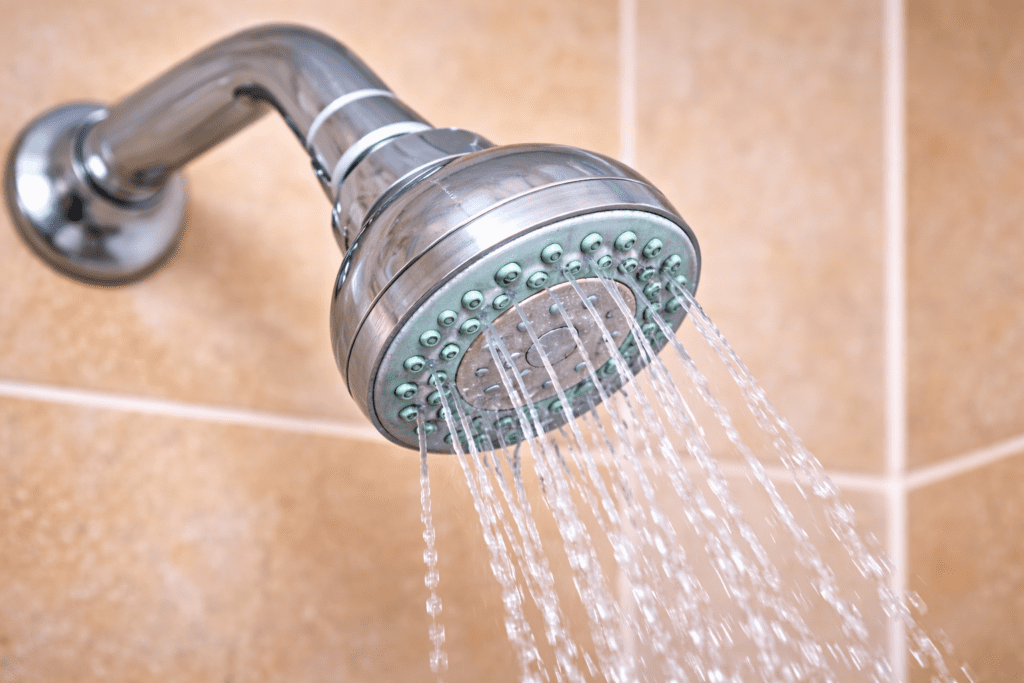
2) Showerhead Mineral Buildup
Symptoms: Weak shower spray or uneven flow.
Fix:
- Remove the showerhead and soak it in vinegar( Make sure the finish is one that you can put in vinegar first).
- Clean nozzles with a soft brush and rinse.
3) Partially Closed Shutoff Valves
Symptoms: Sudden low water pressure after a repair, remodel, or water shutoff.
Check:
- Under-sink shutoff valves
- Toilet supply valve
- Main shutoff valve near where water enters the home
Fix: Ensure valves are fully open (turn counterclockwise for most).
4) Pressure Regulator (PRV) Failing or Misadjusted
Many homes have a pressure reducing valve (PRV). When it fails, pressure can drop or become inconsistent.
Symptoms:
- Whole-house low pressure
- Pressure changes throughout the day
- Sudden drop that doesn’t improve
Fix: PRVs can sometimes be adjusted, but replacement is common if the valve is failing.
5) Hidden Leak (Can Cause Major Pressure Loss)
A leak—especially on the main line—can reduce pressure and raise your water bill.
Signs:
- Unexplained bill increase
- Wet spots in yard
- Moldy smell or damp areas
- Water meter moves when all water is off
If you suspect a leak, shut off fixtures and check the meter. If it’s still moving, call a plumber.
6) Corroded or Scaling Pipes (Older Homes)
Over time, mineral buildup and corrosion restrict flow—especially in galvanized pipes.
Symptoms:
- Gradual pressure decline over years
- Rusty or discolored water at times
- Multiple fixtures affected
Fix: Pipe repair or repipe options may be needed, depending on the home.
7) Water Softener / Filter Issues
Clogged whole-home filters or softener problems can choke flow.
Fix:
- Replace filter cartridges
- Check bypass valve position
- Review system maintenance schedule
8) Municipal Supply or Neighborhood Work
Sometimes it’s not your plumbing.
Check:
- Ask neighbors
- Look for city utility notices
- Pressure improves later in the day
If it’s widespread, it’s likely a supply-side issue.
9) Sediment in Water Heater (Hot Water Pressure Only)
If hot water pressure is low, but cold is fine, sediment or a valve issue at the heater could be the culprit.
Fix: Inspection and service may be needed to restore flow.
When to Call Schrader Plumbing
Call if:
- Pressure is low across the house
- You suspect a leak
- You have a PRV issue
- Hot water pressure is weak throughout the home
- You just want assistance with any of the above steps
Schrader Plumbing
📞 817-262-0989
🌐 SchraderPlumbing.com
FAQ: Low Water Pressure in House
Why is my water pressure suddenly low?
Common causes include a partially closed valve, failing PRV, leak, or municipal work.
How do I increase water pressure in my house?
Start by cleaning aerators/showerheads and checking shutoff valves. If the whole house is affected, you may need PRV service or leak detection.
Why is low water pressure only in the shower?
Most often it’s mineral buildup in the showerhead or a partially closed valve.
Categories: Water Heaters, Water Lines,By: Michelle Kurcina
Last modified:
Last Modified: October 12, 2026 at 5:04 pm
