

Clogged Kitchen Sink: Causes, Warning Signs, and What to Do Next
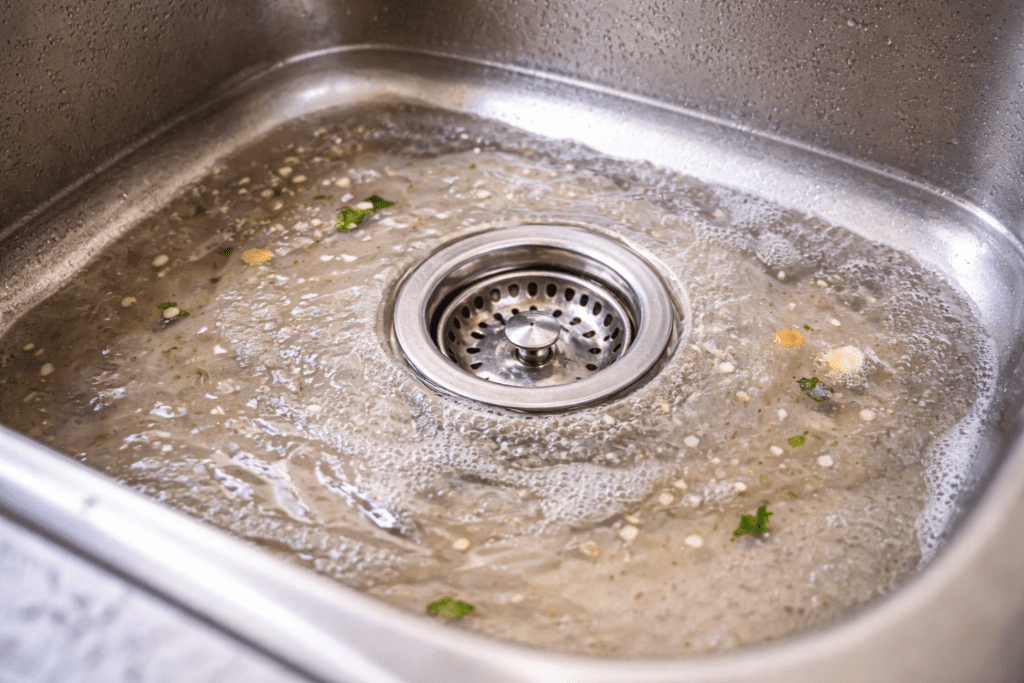
A clogged kitchen sink is one of the most common plumbing issues homeowners deal with—and one of the easiest to underestimate. What starts as a slow drain can quickly turn into a full backup, foul odors, or even water damage inside cabinets and flooring.
If your kitchen sink won’t drain (or drains slowly), here’s what’s likely happening, what’s safe to check, and when it’s time to call a professional.
Why Kitchen Sinks Clog So Often
Kitchen drains handle the hardest mix in the house: grease + food particles + soap. Over time, that combination sticks to pipe walls and narrows the drain line—especially at bends and connection points.
Common causes of a kitchen sink clog
- Grease, fats, and oils (they cool and harden inside pipes)
- Food buildup (especially rice, pasta, coffee grounds)
- Soap + minerals creating a sticky residue
- Garbage disposal misuse (it’s not a trash can)
- Drain line “sludge” forming deeper in the pipe
- A bigger blockage further down the plumbing line (less common, but important)
Warning Signs Your Clog Is Getting Worse
If you notice any of the following, it’s a good time to schedule service before it becomes an emergency:
- Water drains slowly, then speeds up randomly
- Gurgling sounds from the drain
- Odors that keep returning (even after cleaning)
- Water backs up into one side of a double sink
- The sink backs up when the dishwasher runs
- Repeated clogs every few weeks/months
These are often signs the issue isn’t just at the opening—it’s buildup deeper in the line.
What You Can Safely Check (Without Turning It Into a Bigger Problem)
We’re not going DIY-heavy here—just the safe “triage” checks that help you avoid damage and give your plumber better info.
1) Confirm whether it’s one drain or multiple drains
- If only the kitchen sink is affected: likely localized clog/buildup.
- If multiple drains are slow/backed up: could indicate a main line or branch line issue.
2) Avoid chemical drain cleaners
Chemical products can:
- damage pipes (especially older plumbing)
- create heat and worsen weak joints
- make professional clearing more hazardous
3) Stop using the disposal if you have standing water
Running a disposal against a clogged line can worsen the backup—or burn out the motor.
4) If water is rising quickly, prevent water damage
- Don’t keep running water
- Put a pan/towels under the cabinet area
- If it’s actively overflowing, call immediately
Why “Quick Fixes” Often Don’t Solve the Real Problem
Many kitchen clogs aren’t a single “chunk” of blockage—they’re layers of grease and debris coating the inside of the drain line.
That’s why a sink may:
- drain slowly for weeks,
- “seem” fixed for a few days,
- then back up again.
A professional service call can clear the line more completely and reduce the chance of repeat problems.
How Schrader Plumbing Fixes a Clogged Kitchen Sink (What to Expect)
When you call us for a clogged kitchen sink, our goal is to:
- Locate the clog (disposal connection, trap area, wall line, or deeper)
- Clear the blockage safely using the right method for your plumbing
- Restore proper flow and confirm drainage performance
- Help prevent repeat clogs (grease management + best practices for your setup)
Depending on what we find, solutions may include professional snaking, targeted cleaning, or other methods that clear buildup without damaging your plumbing.
When to Call Schrader Plumbing
Call us if:
- Your kitchen sink is fully backed up
- You have recurring clogs
- The sink backs up when the dishwasher runs
- You hear gurgling or smell persistent odors
- You suspect the problem may be deeper in the line
Schrader Plumbing
📞 817-262-0989
🌐 SchraderPlumbing.com
FAQ: Clogged Kitchen Sink
Why is my kitchen sink draining slowly?
Most often it’s grease/food/soap buildup coating the inside of the drain line. Over time, it narrows the pipe and slows drainage.
Why does my kitchen sink clog repeatedly?
Recurring clogs usually mean the line isn’t fully cleared, or there’s heavy buildup deeper in the plumbing that needs professional cleaning.
Is a clogged kitchen sink an emergency?
It can become one. If water is backing up into the sink, rising quickly, or leaking under the cabinet, it’s best to call before damage spreads.
Categories: Clogs,By: Michelle Kurcina
Last modified:
Last Modified: September 17, 2026 at 2:11 pm
